
Yetminster
Discover Yetminster by rail, including its accessible station, historic village, Boyle’s School, local pub, gallery and café.
The Station
Yetminster Station stands near the Eastern edge of the village, where the railway line crosses the River Wriggle.
It is a fully accessible station reached through a narrow road between local industrial buildings.
There is a small amount of parking.
Yetminster Station is not manned.
The Surrounding Area
Yetminster, a picturesque medium sized Dorset village, is associated with two individuals renowned in the sciences.
Boyle’s School
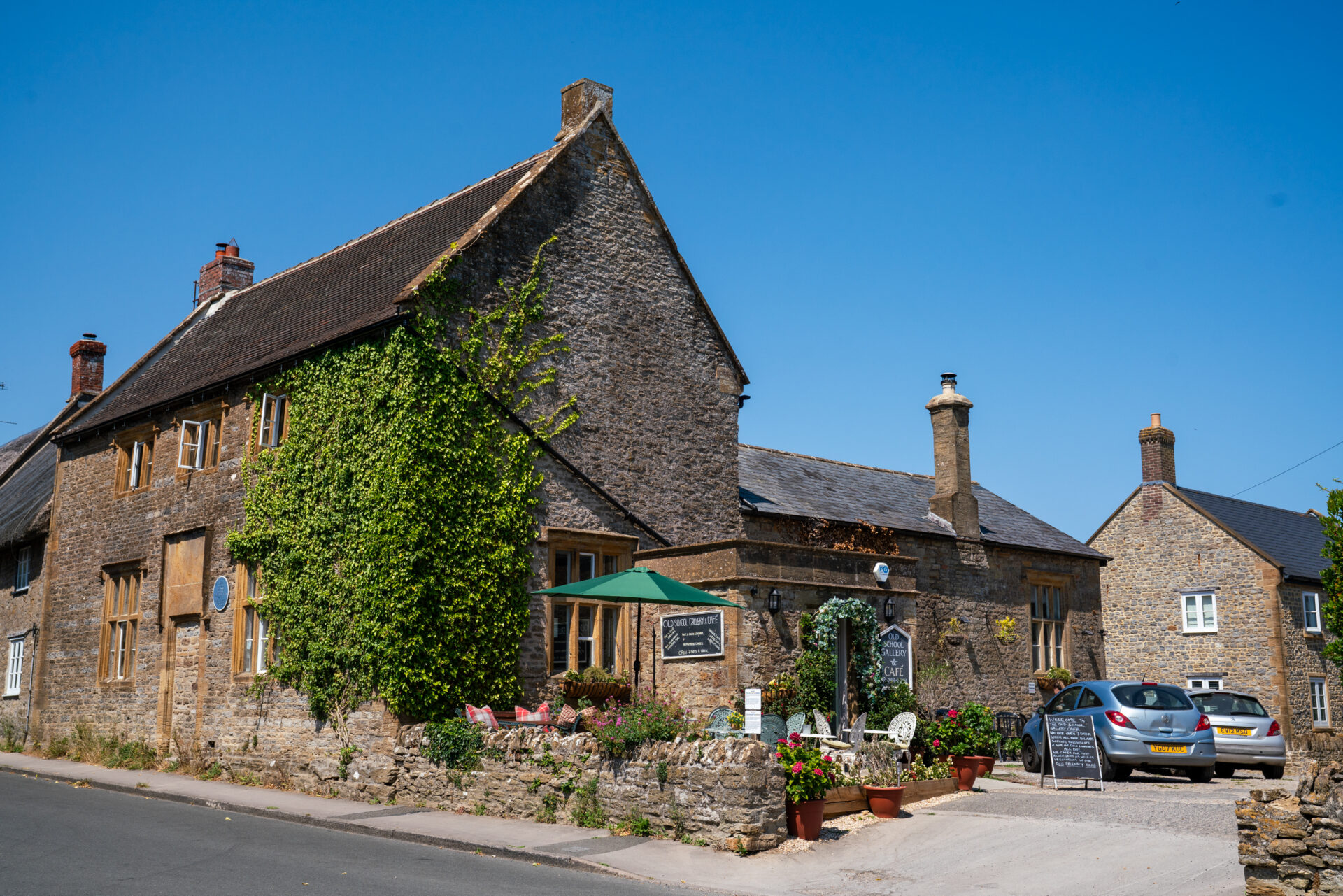
In 1697 the trustees of the will of Robert Boyle, who came from Ireland but settled in nearby Stalbridge, and is famous for the promulgation of Boyle’s Law on the characteristics of gases, applied some of the proceeds to the setting up of a school in Yetminster. Boyle’s School was created over the years and lasted as a school until 1945. At that point the trust, which still owned the schoolmasters house and the classroom buildings, was converted into an educational charity, which still supports the education of children from Yetminster and surrounding parishes to this day.

Benjamin Jesty
At Upbury Farm opposite the Parish Church, in 1774, Benjamin Jesty was responsible for the first generally accepted application at a farm in Chetnole of the principle of inoculating people against smallpox by deliberately infecting them with the much less serious cowpox. Edward Jenner, who is more generally recognized as the discoverer of vaccination, did not undertake his experiment till over 20 years later. Though his methods were not at the time sufficiently rigorous for the establishment to accept his discovery, his work was recognised in 1806.
White Hart
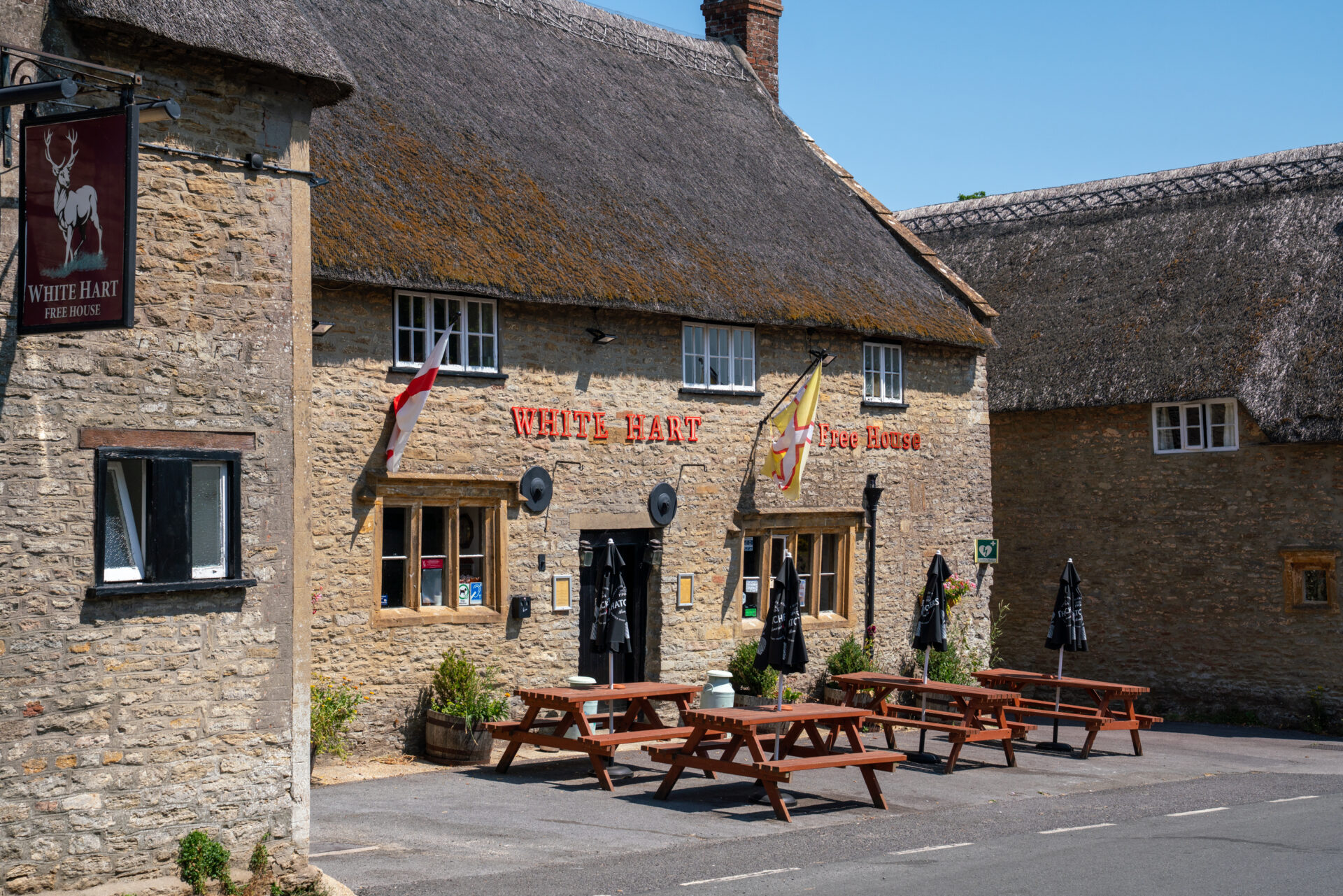
It is the location of the White Hart a 16th Century, Grade II listed thatched pub, open from Wednesday to Sunday

Gallery & Café
A recently developed centre of village life, also on High Street, is to be found in the Old School Gallery, located in the School Rooms of Boyle’s School and featuring both a gallery with regular exhibitions and promotions and a café to relax in.